
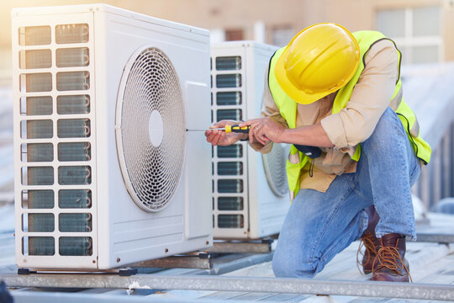
Sitting in a warm Olathe living room while your AC runs almost nonstop can make you wonder if something is seriously wrong with your system. Maybe the thermostat says 75, but it never quite feels that cool, or you hear a new rattle every time the unit kicks on. You know how miserable a Johnson County summer can be, and the thought of your air conditioner quitting on the first 95 degree day is not something you want to risk.
Many homeowners in Olathe are not sure which AC issues are “normal” and which are signs that maintenance is overdue. Some noises come and go, bills creep up a little at a time, and that warm upstairs bedroom has been that way for years. It is easy to ignore these changes until the system finally shuts down on the hottest afternoon of the year, when repair appointments are booking up fast and the house is already uncomfortable.
We see this pattern every summer. At Polar Aire Heating & Cooling Service, we have been maintaining and repairing AC systems in Olathe and Johnson County since 1981, and our NATE-certified technicians work on all makes and models. Many of the no-cool emergencies we respond to started as small, noticeable changes weeks or months earlier. In this guide, we will walk through the specific AC maintenance signs you should watch for in Olathe and explain what they really mean for your system.
Why Catching AC Maintenance Signs Early Matters in Olathe
Olathe summers are hard on air conditioners. When the temperature climbs into the 90s and humidity rises, your system has to move a lot more heat and moisture out of the house to keep you comfortable. That means longer run times and more stress on every part of the system, from the blower motor to the outdoor fan and compressor. A minor restriction or worn component that barely shows up on a mild day can turn into a real problem once the first heat wave hits.
Every AC has a kind of “duty cycle,” which is how much it needs to run to maintain your thermostat setting. On a moderate spring day your system might run for short, comfortable cycles. On a hot, sticky afternoon in Olathe it will naturally run longer, but it should still eventually reach and hold your set temperature. When it runs almost constantly and you are still not comfortable, that usually means something is holding it back, not just that it is hot outside.
We often find that early maintenance would have reduced the chance of the sudden breakdowns we see in July and August. A dirty outdoor coil, a weak capacitor, or a partially clogged condensate drain can all start as subtle symptoms that are easy to ignore. Left alone, they can damage other components and push the system into failure, which is more expensive and stressful than a planned maintenance visit. Catching these signs early in the season protects your comfort and usually reduces your total costs over the life of the system.
Because we have been working in Olathe and the surrounding areas since 1981, we have watched how systems age in this climate and how predictable many “surprise” failures really are. Recognizing and acting on maintenance signs is one of the simplest ways to avoid joining the emergency-repair rush when the weather turns extreme.
Sign 1: Your AC Runs Constantly but Your Home Still Feels Warm
One common complaint we hear is that the AC seems to run all day, yet the house never really cools down. You might notice that the system cycles on and then does not turn off for hours, or that the temperature creeps down very slowly, if at all. In some homes, downstairs feels tolerable while upstairs never gets comfortable, even though the thermostat is set the same as always.
When an air conditioner is in good shape, it removes heat from indoor air and rejects it outside through the outdoor coil. If that coil is covered in dirt, leaves, or cottonwood fluff, the system cannot get rid of heat efficiently. Low refrigerant charge, often from a small leak, also reduces how much heat the system can absorb inside. On the indoor side, a clogged filter or dirty evaporator coil limits how much warm air can pass over the cold coil. Any of these issues can cause the system to run longer and still struggle to cool the house.
It is normal for an AC to work harder on a very hot, humid afternoon in Olathe than on a 75 degree day. The key difference is whether it eventually reaches your thermostat setting and shuts off. If it runs nearly nonstop and you are still uncomfortable, or if you notice ice on the refrigerant lines while it runs, that points to a performance problem rather than just hot weather. Continuing to run the system this way can overheat the compressor or cause other components to fail.
There are a few simple things you can safely check yourself. Make sure the air filter is clean and properly installed, that supply and return vents are open and not blocked by furniture, and that the outdoor unit has clear space around it. If you take care of those basics and the AC still cannot keep up, it is time for a professional evaluation.
When homeowners in Olathe call us with this pattern, our NATE-certified technicians use proper gauges and instruments to check refrigerant levels, coil temperatures, and overall system performance instead of guessing or just adding refrigerant. This kind of diagnostic maintenance can uncover issues early and restore cooling performance before a hot-day breakdown.
Sign 2: Unusual AC Noises That Do Not Go Away
Air conditioners are not completely silent, but you get used to your system’s normal sounds over time. When a new noise appears, or a familiar sound suddenly gets much louder, that is often one of the clearest signs your AC needs attention. Homeowners in Olathe commonly describe squealing, rattling, buzzing, or banging when they call us, and each sound can point toward a different type of problem.
A high-pitched squeal or screech from the indoor unit can indicate a blower motor or belt issue. Grinding or scraping often means bearings are wearing out in a motor or fan, which can soon cause the part to seize. Rattling or clanking may be a sign that a fan blade or panel has come loose and is hitting something as it spins. Buzzing can indicate electrical problems, such as a failing contactor or capacitor, particularly at the outdoor unit.
Some of these problems are relatively simple if caught early. Tightening loose mounting hardware, replacing a worn belt, or changing a weak capacitor is straightforward work for a trained technician. If ignored, though, the same issues can break motors, damage fan blades, or stress the compressor, leading to much larger repairs. Continuing to run an AC that is banging loudly or making harsh grinding sounds can turn a manageable fix into a major component replacement.
There is no safe DIY way to repair most noise-related issues because they usually involve moving parts or electrical components. What you can do is pay attention to when the noise happens. For example, does it occur only at startup, only outside, or only when the indoor fan runs? Sharing that information helps us narrow down the likely cause more quickly when we arrive.
Because our technicians at Polar Aire Heating & Cooling Service work on all makes and models, we have a good sense of what is normal for particular brands and what is a red flag. When you call us about a new noise, we treat it as a meaningful maintenance sign, not something to dismiss. Addressing the source early often helps prevent the kind of sudden failure that leaves you without cooling in the middle of a hot Olathe afternoon.
Sign 3: Weak Airflow or Rooms That Never Reach the Right Temperature
Another sign that often sneaks up on homeowners is weak airflow. You might notice that certain vents barely seem to blow any air, or that some rooms never quite match the thermostat setting. In two-story homes, it is common for upstairs bedrooms to be much warmer than the main level, even when the AC is running constantly. Over time, you may start to think of these hot and cold spots as just part of the house, but they often signal underlying airflow problems.
Your AC relies on a steady, balanced flow of air through the return ducts, across the indoor coil, and out through the supply ducts. A clogged filter is the simplest way this balance is disrupted and is one of the first things to check. Closed or blocked supply vents also restrict airflow and can unbalance the system. Beyond these basics, leaks in the ductwork, disconnected ducts in attics or crawlspaces, dirty blower wheels, or undersized duct runs can all reduce how much cooled air reaches certain rooms.
When airflow is restricted, the evaporator coil can get too cold because not enough warm air is passing over it. This can lead to ice on the coil and refrigerant lines, which further chokes off airflow and can eventually damage the compressor. Even before that happens, poor airflow makes the system work harder, increases run time, and can leave parts of your home uncomfortably warm or humid.
You can start by changing the filter, making sure return grilles are not blocked by furniture, and opening supply vents throughout the home. If those steps do not restore even airflow, or if you see signs of moisture or dust around vents, a professional airflow assessment is worth considering. We often find that a relatively small duct repair or a cleaning of the indoor blower assembly makes a noticeable difference in both comfort and efficiency.
During maintenance visits in Olathe homes, our team looks beyond just the equipment. We often check accessible ducts, listen for whistling or hissing that can indicate leaks, and measure temperature differences between rooms. That whole-system view helps us pinpoint whether weak airflow is a simple maintenance issue or a sign of deeper duct or design problems that need to be addressed.
Sign 4: Ice, Water Leaks, or Musty Odors Around Your AC
Moisture-related signs are some of the most visible indicators that an AC needs maintenance. You might see frost or ice forming on the copper lines at the indoor unit, water pooling around the furnace or air handler, stains on the ceiling beneath an upstairs unit, or notice a musty, damp smell whenever the system runs. In a humid area like Olathe, these issues can escalate quickly if they are not addressed.
During normal operation, the indoor evaporator coil gets cold and pulls both heat and moisture out of the air. The moisture condenses on the coil, then drips into a drain pan and flows out through the condensate drain line. If airflow is restricted by a dirty filter or coil, or if refrigerant levels are low, the coil can get too cold and freeze. Once it is iced over, air can no longer pass through properly, which leads to poor cooling and can send liquid refrigerant back to the compressor, a situation that can cause serious damage.
Clogged or partially blocked condensate drains are another common maintenance issue. Algae, dust, and debris can build up inside the drain line, causing water to back up and overflow the pan. This can create puddles around the indoor unit, lead to water stains and damage to nearby finishes, and foster mold or mildew growth that produces musty odors throughout the home. In some cases, safety switches shut the system down when the pan fills, which leaves you without cooling until the blockage is cleared.
Because water and electricity do not mix well, moisture problems around your AC should never be ignored. If you see ice on the lines or indoor coil, turning the system off and calling for service is usually the safest move, rather than trying to chip away the ice yourself. If you notice water leaks or musty smells, it is wise to have the drain system and coil inspected and cleaned before the issue leads to more costly damage.
During a maintenance visit, our technicians at Polar Aire Heating & Cooling Service check the condition of the evaporator coil and verify that the condensate drain is flowing properly. Clearing early blockages and addressing airflow or refrigerant issues at this stage is far easier than dealing with a water-damaged ceiling or a failed compressor later. In Olathe’s humid summers, staying ahead of moisture-related signs is a key part of keeping your AC and your home in good shape.
Sign 5: Sudden Spikes in Your Olathe Energy Bills
Almost every homeowner expects summer energy bills to be higher than spring or fall. What catches people off guard is a sudden jump that does not match how they are using their home or thermostat. If your Olathe electric bill climbs sharply compared to the same month last year, even though your habits have not changed much, your AC may be working a lot harder than it should.
When an air conditioner is out of tune, it often still cools the home, but it uses more energy to do it. Dirty coils, clogged filters, and weak capacitors all reduce system efficiency. A blower motor that is beginning to fail may draw more current and move less air. Low refrigerant charge forces the compressor to run longer to achieve the same amount of cooling. Individually, these factors may not be obvious day to day, but they add up on your utility bill over the course of a month.
It helps to compare your bills year over year rather than only month to month. For example, if this June’s bill is much higher than last June’s, and the weather has been similar, that is a strong hint that something in the system has changed. High humidity can also make the home feel warmer, leading you to lower the thermostat, which increases run time. Maintenance that restores airflow and heat transfer can often let you stay comfortable at the same temperature setting you used in past summers.
Not every increase in energy use is caused by the AC, but it is the biggest electrical load in many Olathe homes during summer. If you notice other signs from this list along with higher bills, paying for a maintenance visit is usually a better investment than continuing to pour money into inefficient operation. The goal is not to chase an exact savings number, but to bring the system back closer to its intended performance.
When we perform maintenance at Polar Aire Heating & Cooling Service, we focus on factors that directly affect efficiency, such as cleaning coils, checking refrigerant charge, verifying motor operation, and making sure the system is not working against avoidable restrictions. While we do not promise specific dollar reductions, many homeowners find that addressing these issues helps smooth out unexpected spikes in their summer energy costs.
Sign 6: Frequent Cycling, Hard Starts, or Thermostat Issues
Some AC signs are more subtle than loud noises or visible leaks. Short cycling and hard starts often fall into this category. Short cycling happens when the system turns on and off more frequently than usual, sometimes running for only a few minutes at a time. Hard starts are when the AC seems to struggle or dim the lights briefly when it starts up, or when you hear a noticeable “kick” each time it comes on.
These behaviors can stem from a range of causes. A malfunctioning thermostat or poor thermostat placement, such as above a supply vent or in direct sunlight, can confuse the system about the true room temperature and cause short cycles. Low refrigerant, restricted airflow, or oversized equipment can also lead to rapid on off patterns. Hard starts often involve failing capacitors, worn compressors, or issues in the electrical starting components, which strain both the equipment and your electrical system.
Over time, frequent cycling and rough starts increase wear on motors, contactors, and the compressor. The system may still cool for a while, so it can be tempting to ignore these signs, but they are early warnings of more serious problems. In some cases, addressing the root cause with maintenance or a minor repair can extend the life of the system and reduce the chance of a sudden, complete failure.
There are a few basic checks you can do at the thermostat. Make sure it is set to “cool,” confirm the fan setting, replace batteries if it uses them, and verify that temperature setpoints are what you intend. If your thermostat is older or located in a poor spot, it may be worth discussing an upgrade or relocation during a service visit. Anything beyond these simple steps, especially work involving wiring or internal components, should be left to trained technicians.
Our NATE-certified technicians at Polar Aire Heating & Cooling Service use diagnostic tools to test capacitors, contactors, and other electrical parts, and to verify that the thermostat is communicating correctly with the system. By addressing frequent cycling and hard starts as real maintenance signs, rather than just quirks, we help homeowners reduce the risk of facing a non-responsive AC on a hot Olathe afternoon.
When Simple Checks Are Enough and When to Call a Technician
Not every AC issue requires a service truck in your driveway the same day. There are a few simple, safe checks you can perform yourself that sometimes resolve minor comfort issues. The key is knowing where that line ends and where professional maintenance begins, especially when signs of real trouble start to show up.
As a homeowner, you can routinely change or clean your air filters, usually every one to three months depending on the type and your home’s conditions. You can make sure supply and return vents are open and not blocked by rugs or furniture. You can gently clear leaves and debris from around the outdoor unit, making sure there is open space for air to flow. You can also verify thermostat settings, ensure it is not accidentally set to “heat” or “off,” and replace thermostat batteries if needed.
Issues that involve ice on the coils or lines, water leaks around the unit, burning or strong musty smells, loud grinding or banging noises, frequent breaker trips, or visible damage to wiring or components are in a different category. These are signs to shut the system down and call a technician promptly. Refrigerant handling, electrical diagnostics, coil cleaning beyond the surface, and opening sealed panels are all tasks that require training and proper tools to perform safely and correctly.
We understand that scheduling maintenance or a repair can feel like a hassle, especially if the system is still limping along. However, in our experience across Olathe and Johnson County, addressing these warning signs early almost always leads to a better outcome than waiting for a complete failure. You maintain control over timing, avoid the worst heat, and typically face a smaller repair or simple tune-up rather than major component replacement.
At Polar Aire Heating & Cooling Service, we offer timely appointments and same-day service when possible, along with emergency response for urgent issues. Because we service all makes and models, you do not have to worry about whether we can handle your particular unit. When you are unsure which category your AC issue falls into, a quick call can help you decide whether a visit is the right next step.
How Regular AC Maintenance Protects Your Comfort in Olathe
When you look at all these signs together, a clear pattern emerges. Most of them come from a handful of underlying issues, such as dirt buildup, wear in electrical and mechanical parts, refrigerant problems, and airflow restrictions. Routine AC maintenance is designed to find and correct these issues before they turn into the constant running, loud noises, hot rooms, or leaks that disrupt your comfort during an Olathe summer.
A professional maintenance visit typically includes cleaning or checking indoor and outdoor coils, verifying refrigerant levels, inspecting electrical connections and capacitors, checking blower operation, confirming proper temperature differences, and ensuring the condensate drain is clear. The exact steps may vary based on your system, but the goal is the same: bring the equipment as close as practical to its intended performance and catch emerging issues early.
Homeowners and small business owners in Olathe both rely on steady, dependable cooling. In homes, it is about keeping family members comfortable and safer in extreme heat. In businesses, it can also mean helping to protect inventory, electronics, or employee productivity. Regular maintenance does not eliminate every risk, but it typically reduces the chance of a surprise breakdown, evens out hot and cold spots, and helps keep energy use more predictable from season to season.
When maintenance reveals that an older system is no longer cost-effective to repair, having a trusted provider already familiar with your home or business makes the next step easier. As a factory-authorized dealer of Carrier products, Polar Aire Heating & Cooling Service can offer efficient replacement options when the time comes, and we also provide competitive pricing, free service estimates, and flexible financing options to make that decision more manageable.
The main takeaway is that you do not need to wait for a complete failure to take action. If you recognize any of the signs we have covered, scheduling maintenance now puts you in control and helps you be ready for the next stretch of Johnson County heat.
Stay Ahead of AC Problems & Protect Your Comfort in Olathe
Odd noises, longer run times, warm rooms, ice on the lines, water around the unit, and rising energy bills are not just annoyances. In our experience, they are your AC’s way of signaling that it needs attention. By paying attention to these maintenance signs and acting on them early, you can often avoid the stress and expense of a mid-summer breakdown, and keep your home or business more comfortable all season long.
If you are in Olathe or the surrounding Johnson County area and you recognize any of these issues in your own system, now is an ideal time to schedule a professional checkup. Our team at Polar Aire Heating & Cooling Service has been working on local AC systems since 1981, and our NATE-certified technicians are ready to inspect your equipment, address problems early, and help you plan the best path forward. To schedule AC maintenance or an inspection, call us today.